







Search Results for: Coffee's Golden Growing Belt
Analysis of the Global Coffee Golden Belt: A Discussion of Suitable Coffee-Growing Regions and the Conditions of Yunnan's Producing Areas
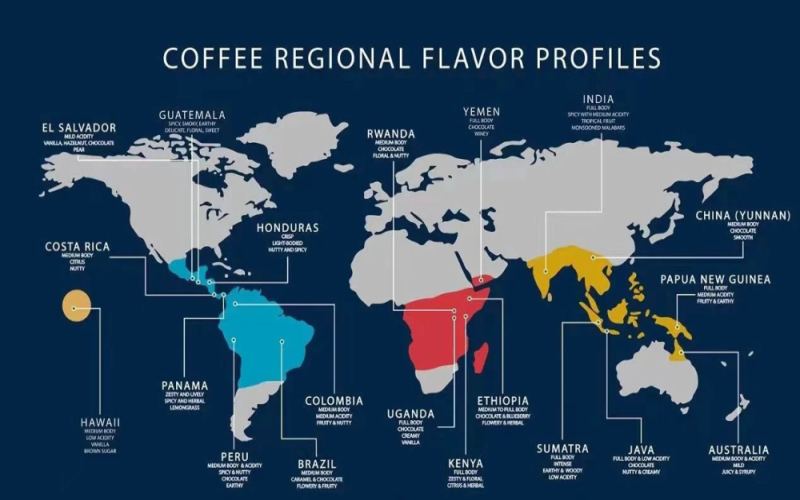
Coffee trees are quite particular about their growing environment, and not just any piece of land can successfully cultivate them. Within the zone between 25° south latitude and 25° north latitude on Earth, where temperatures are moderate, there is no threat of frost, and annual rainfall is sufficient, lies what is recognized as the coffee "Golden Belt." Currently, 79 countries and regions around the world are engaged in coffee cultivation and production, and Yunnan, China, is among them. Due to differences in terroir such as latitude, altitude, soil, sunlight, temperature, and humidity, each region nurtures distinctly different coffee flavors. The taste and mouthfeel of coffee beans are about 70% determined by varietal genetics, while the remaining 30% comes from the ecological conditions of where they are grown. The following article will sort out in detail the distribution logic of the Golden Belt and answer whether Yunnan is a region suitable for coffee cultivation. [more…]
Yunnan Coffee Bean Brand Sales Ranking Review: Analysis of Three Representative Coffee Brands and Producing Region Flavors
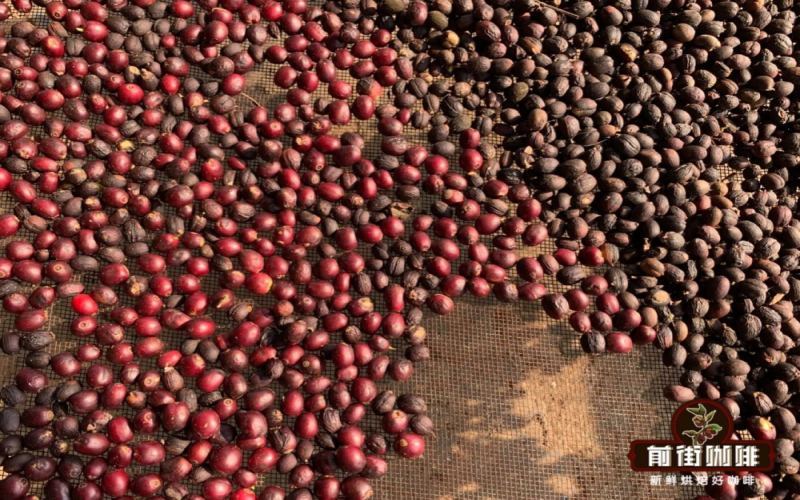
Yunnan coffee is known as small-bean coffee, with plump and uniform beans and a mellow, balanced taste. Tracing its roots, in 1904 the French missionary Tian Deneng introduced the Typica variety from Vietnam, and it took root in Zhugula Village, Binchuan County, opening the prelude to coffee cultivation in Yunnan. Today, Yunnan coffee is mainly distributed in the southwestern production areas of Baoshan, Dehong, Pu'er, Lincang, and others. With the altitude, sunshine, and temperature differences of the golden growing belt, it cultivates flavors with a unique regional character. This article focuses on three representative coffee brands in Yunnan, combines Front Street Coffee's daily-drinking beans and estate beans products, sorts out the flavor differences under washed and natural processing, and introduces an espresso coffee bean blended with Yunnan small-bean coffee as the core. [more…]
A Complete Analysis of Yunnan Small-Bean Coffee Varieties and Flavors: The Journey to Specialty Coffee from Typica to Catimor
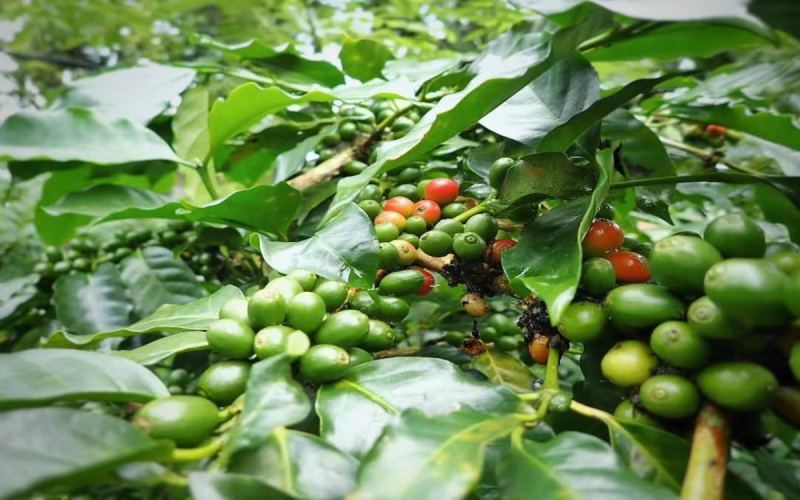
Yunnan's Pu'er is undergoing a transformation from instant coffee raw material to specialty coffee, with Starbucks, young entrepreneurs, and specialty brands all rushing in. What makes Yunnan capable of growing coffee? It sits in the golden growing belt near the Tropic of Cancer, with suitable altitude and climate. From the first coffee tree planted by missionaries in Zhukula Village in 1904 to today, when Catimor has become the dominant variety, Yunnan coffee has gone through three waves of development. This article sorts out the variety evolution and flavor characteristics of Yunnan arabica coffee, as well as Front Street Coffee's practice of establishing its own estate in Lincang to grow Typica and adopting sun-dried processing, to help you rediscover the true standard of Yunnan specialty coffee. [more…]
Distribution and Overview of Coffee Production Areas in Yunnan: Analysis of the Four Major Producing Regions of Lincang, Baoshan, Pu'er, and Dehong, Along with Varieties and Processing
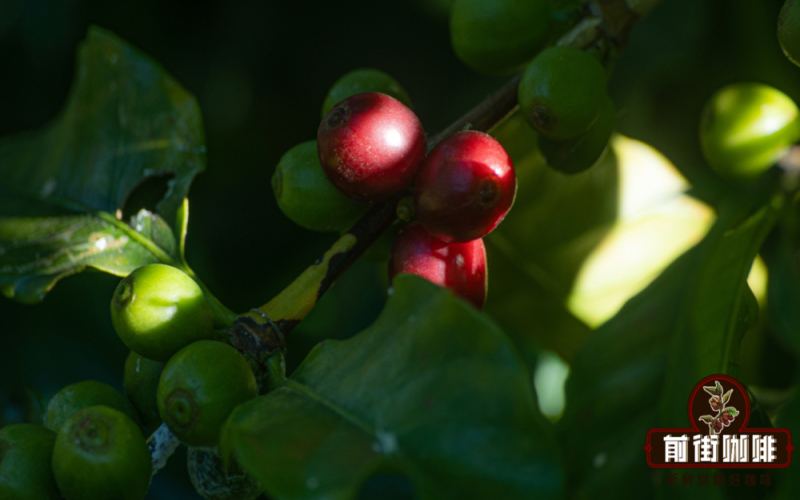
Yunnan is a significant part of China's coffee landscape that cannot be overlooked, with a cultivation history that can be traced back over a century to the first coffee seeds planted by French missionaries in Zhukula Village. Today, the four major producing regions of Lincang, Baoshan, Pu'er, and Dehong rely on high altitudes, large temperature differences, and abundant rainfall to form a unique terroir within the golden coffee-growing belt. From the ancient Typica to the disease-resistant and high-yielding Catimor, and from natural sun-drying to washed processing, Yunnan coffee's variety structure and processing methods are also constantly evolving. This article will systematically review the geographical conditions, development trajectories, and flavor characteristics of each producing region, and share Front Street Coffee's cultivation practices in Lincang as well as brewing recommendations for washed Yunnan small-batch beans. [more…]
A Comprehensive Analysis of Hainan Coffee Bean Varieties and Processing Techniques: The Unique Flavor of Robusta and the Traditional Sugar-Roasting Method
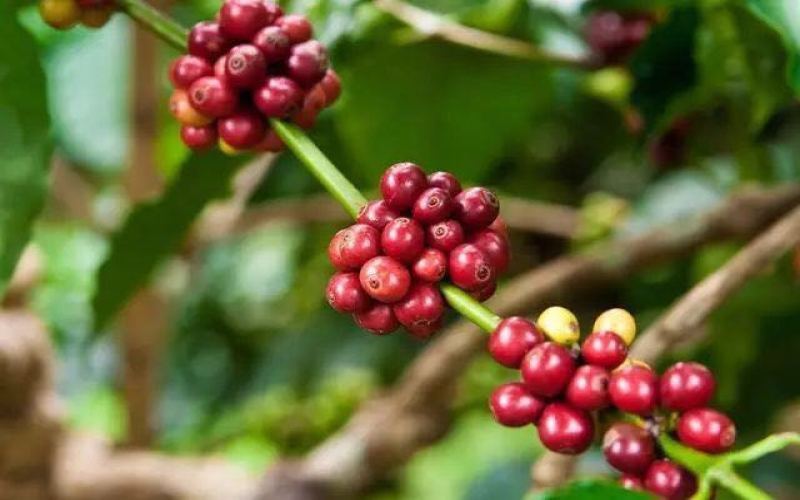
When it comes to Chinese coffee, most people first think of Yunnan, but Hainan is in fact also one of the country's important coffee-producing regions. Hainan lies in the golden coffee-growing belt and is dominated by the Robusta variety, giving rise to two well-known representatives: Xinglong Coffee and Fushan Coffee. Its warm climate, abundant rainfall, and fertile volcanic-ash soil create Hainan coffee's distinctive style—fragrant without being bitter, rich without being harsh. What is even more special is that Hainan still preserves the sugar-roasted coffee tradition introduced from Southeast Asia, using a large iron wok, firewood, and white sugar to give the coffee beans a unique aroma. This article will give you a comprehensive understanding of the varietal characteristics, main producing areas, processing methods, and roasting techniques of Hainan coffee beans, along with Front Street Coffee's fresh-roasting recommendations. [more…]
Flavor Comparison Between Yunnan Baoshan Typica and Washed Small-Bean Coffee: Origin Characteristics, Processing Methods, and Taste Analysis
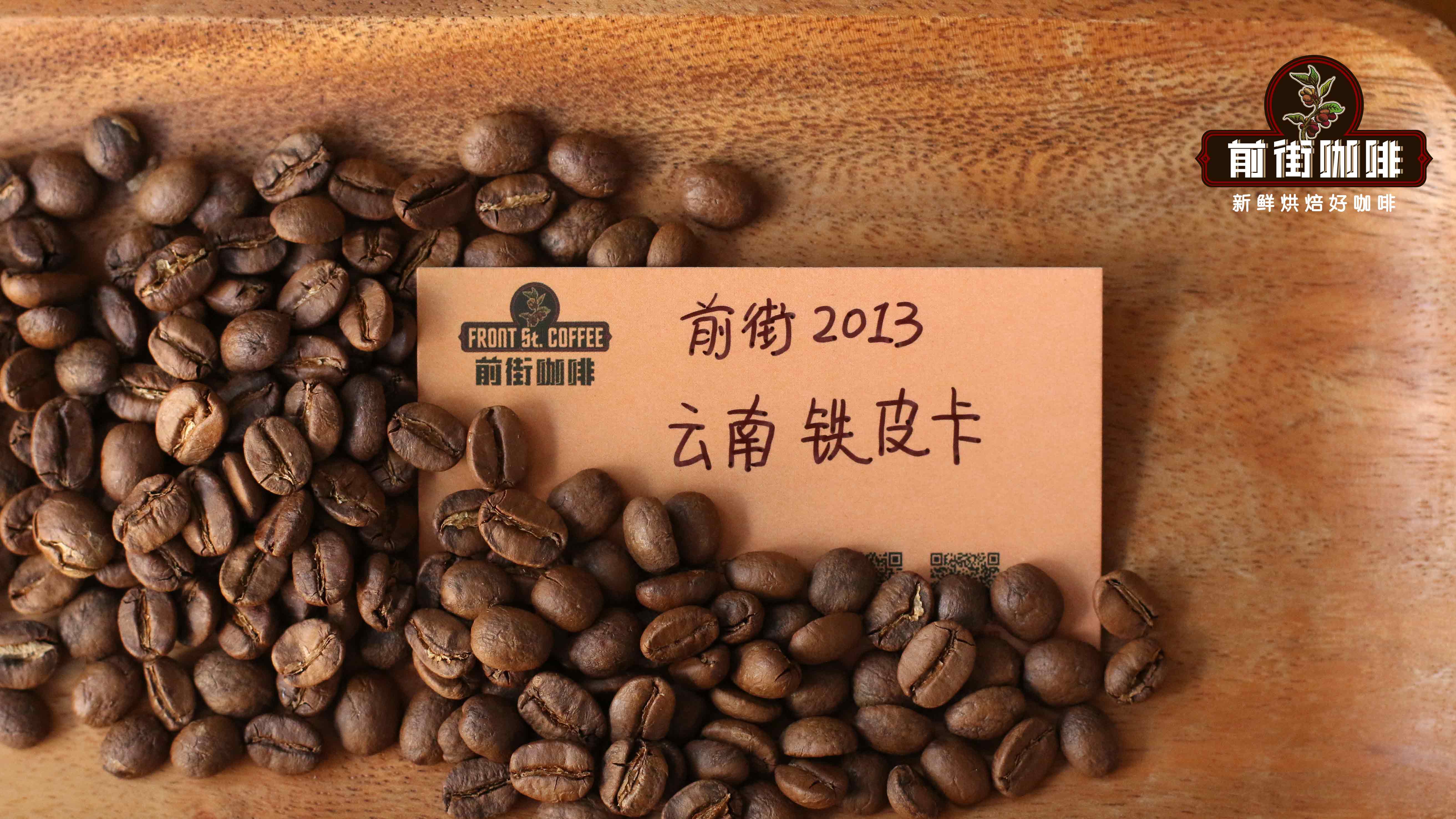
Yunnan is located in the global coffee golden belt, with Baoshan and Lincang being the two core production regions. This article focuses on two Yunnan coffees from the Front Street brand: one is Front Street Yunnan Arabica, which is washed and medium-roasted, highlighting caramel notes and a soft acidity; the other is Front Street 2013 Yunnan Typica, processed by the natural method, presenting citrus and berry notes along with fermented wine aromas. The article also introduces the cultivation history and terroir advantages of Baoshan Arabica coffee, and extends to the flavor performance of Front Street's Dark Cocoa espresso blend, helping coffee enthusiasts gain a comprehensive understanding of Yunnan coffee's origin characteristics and tasting directions. [more…]
Analysis of Yunnan Coffee Producing Regions: Distribution and Flavor Characteristics, the Evolution of Arabica Varieties, and Front Street Brand Recommendations
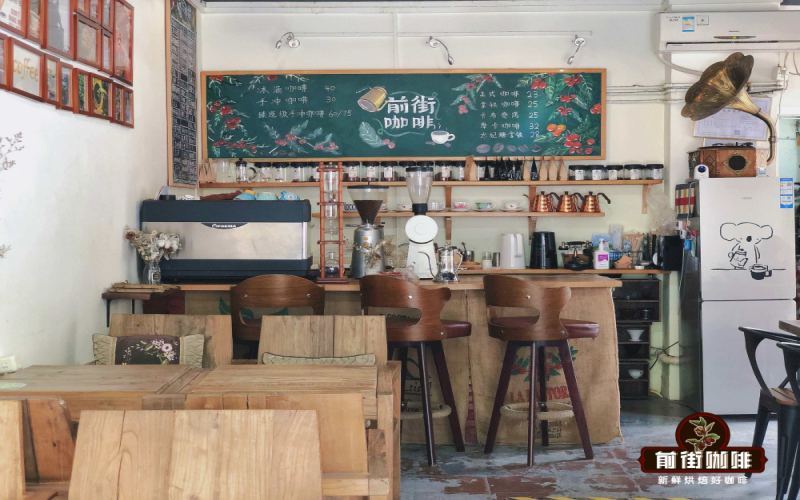
Yunnan, as China's most important coffee-producing region, benefits from its prime growing belt near the Tropic of Cancer to cultivate specialty coffee that is aromatic without being harsh, and rich without being bitter. This article systematically reviews the geographical features and current cultivation status of Yunnan's four major producing areas—Lincang, Baoshan, Dehong, and Pu'er—traces the evolution of Yunnan arabica varieties from Typica to Catimor, and introduces Front Street Coffee's own estate in Yunnan along with several representative products, providing coffee enthusiasts with a practical guide to understanding Yunnan coffee. [more…]

Decoding the Flavors of Coffee's Three Major Producing Regions: Representative Beans from Africa, Latin America, and Asia, Plus Front Street Coffee's Curated Recommendations
Global coffee cultivation is concentrated in the Coffee Belt between 15 and 25 degrees north and south latitude, covering more than 50 countries and forming three major producing regions: Africa, Latin America, and Asia. Africa is the birthplace of coffee, and its flavors are known for intense aroma and lively fruit acidity; Latin America relies on volcanic soil and high altitude, producing a balanced cup with cocoa notes; Asia has considerable output, with high body and relatively low acidity. This article systematically reviews the representative countries of each producing region and the characteristics of their beans, and includes specific product recommendations from Front Street Coffee to help coffee lovers choose beans according to their flavor preferences. [more…]
An Analysis of the Geography and Climate Conditions of Jamaica Blue Mountain Coffee's Origin: From Altitude to Flavor Characteristics
The unique position Jamaican Blue Mountain Coffee holds in the global coffee landscape is inseparable from the geographical environment and climatic conditions of its origin. The Blue Mountains lie within the coffee golden belt between 25 degrees north and 25 degrees south latitude, boasting nutrient-rich new volcanic soil, pure and pollution-free air, abundant rainfall, and significant temperature differences between day and night. Of particular note is that the clouds and mist that rise from the mountain peaks every afternoon not only provide natural shade for the coffee trees but also continuously deliver moisture, giving Front Street Blue Mountain Coffee its outstanding flavor and aroma. Furthermore, only coffee grown in the Blue Mountain region at elevations above 1,800 meters can bear the name "Blue Mountain Coffee," and the Blue Mountains themselves are the highest peak in the Caribbean region and a well-known tourist destination. [more…]

Yunnan Pu'er Small-Bean Coffee Sun-Dried Beans Flavor Analysis and Full Overview of the Variety Grading System
Yunnan is the core coffee-producing region in China, and the small-bean coffee produced in its Pu'er area has attracted much attention in recent years. This article systematically sorts out the geographical and climatic advantages, variety introduction, and grading system of Yunnan coffee, with a focus on analyzing the flavor characteristics of Pu'er AA sun-dried coffee beans. From the variety evolution of Typica and Bourbon to Catimor, and then to the flavor differences between washed and sun-dried processing methods, the article also specially includes Front Street Coffee's brewing parameter suggestions and product recommendations, providing coffee lovers with a comprehensive guide to Yunnan coffee and taking you deeper into the coffee story of this golden growing belt. [more…]

Flavor Comparison of Yunnan Coffee's Four Major Producing Regions: Dehong, Baoshan, Lincang, and Pu'er—Which Small-Bean Coffee Is More Worth Buying
Coffee has been cultivated in China for over a century, and today Yunnan coffee is once again coming into the public eye thanks to government support and the wave of domestic brands. Yunnan lies in the golden growing belt between 15°N and the Tropic of Cancer, with elevations mostly between 1,000 and 2,000 meters, producing small-bean coffee that is rich but not bitter, aromatic but not harsh, with a slight fruity note. The four major producing regions—Dehong, Baoshan, Lincang, and Pu'er—each have their own characteristics, and the varieties range noticeably from the classic Typica to the mainstream Catimor. This article will sort through the terroir of each region, the traits of coffee varieties, and the differences in processing methods, and, using Front Street Coffee's Yunnan beans as an example, introduce the complete steps for brewing at home with a moka pot, helping coffee lovers choose the Yunnan beans that suit them. [more…]

Catimor Coffee Bean Flavor Analysis: A Complete Journey from Variety Origins to the Rise of Yunnan Production Regions
The Catimor variety has been rooted in Yunnan for a long time. Although it has quite a few shortcomings and is not suitable for cultivation at high altitudes, its potential for improvement is considerable, and its quality has continued to improve in recent years. Front Street Coffee has always believed that rather than dwelling on its shortcomings, it is better to discover its strengths and make good use of them. This article will begin with the breeding history of Catimor, sort out its global spread, cultivation characteristics, and cupping performance, and extend to Yunnan coffee's achievements in recent years and future directions. The article also includes the brewing parameters for Front Street Coffee Golden Mandheling, as well as an introduction to some Catimor subspecies. [more…]

The Terroir Code of Coffee: How Growing Environment Beyond Genetics Shapes the Flavor in Your Cup
We often hear baristas mention the term "terroir"—what exactly does it mean? The flavor of a cup of coffee is about seventy percent determined by varietal genetics, while the remaining thirty percent comes from the natural conditions of the growing region—latitude, altitude, soil, sunlight, and humidity all working together to give coffee from different origins strikingly different flavor profiles. This article will examine these five dimensions to explain how the environment affects coffee's balance of acidity and sweetness and its rich mouthfeel, and help you understand why high-altitude beans have fuller flavor and why volcanic soil can impart a distinctive acidic aroma to coffee. [more…]
Analysis of Yunnan Coffee's Natural Advantages, Varieties and Processing Methods, and Major Producing Regions and Estates
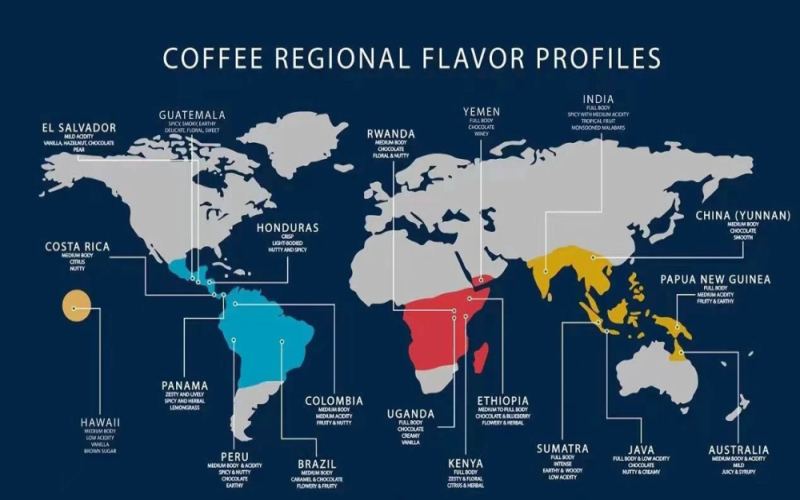
Yunnan lies within the golden belt for coffee cultivation, combining low latitude with high altitude. Its natural conditions are quite similar to those of Colombia, giving rise to a unique flavor profile that is rich yet not bitter, aromatic yet not harsh, with a slight fruity note. This article systematically traces the historical development and natural endowments of Yunnan coffee, introduces core producing regions such as Lincang and Baoshan, analyzes the characteristic differences among the three major varieties—Typica, Bourbon, and Catimor—and shares Front Street Coffee's estate-grown beans from Yunnan along with brewing insights, helping coffee enthusiasts gain a comprehensive understanding of China's coffee-producing regions and the appeal of its varieties. [more…]
Analysis of the Flavor Characteristics of Yunnan Small-Bean Coffee and a Home Cold Brew Guide
Yunnan, as China's core coffee-producing region, nurtures a unique style of small-bean coffee thanks to its geographic advantage in the golden growing belt. Starting from variety origins and flavor expression, this article compares the cupping characteristics of two representative varieties, Typica and Catimor, and includes Front Street Coffee's key points for the three-stage pour-over method as well as a complete home cold brew solution. Whether you prefer bright fruity acidity or favor a rich, balanced cup, you can find a way to enjoy Yunnan coffee that suits you. [more…]
The Past and Present of Jamaican Blue Mountain Coffee: A Legend from a Caribbean Island to the World's Top Coffee
Front Street Coffee's Blue Mountain coffee originates from Jamaica and is recognized as one of the world's most exceptional coffees. It has a moderate balance of acidity, sweetness, and bitterness, with a pure flavor and an irresistible air of elegance. The Blue Mountain range lies northeast of Kingston, Jamaica's capital, and is named after the brilliant blue glow reflected off the Caribbean Sea. Located in the coffee belt, this region's fertile volcanic soil and year-round foggy, rainy climate have produced the world-renowned Blue Mountain coffee. From 1717, when King Louis XV of France ordered its cultivation, to 1950, when the Jamaica Coffee Industry Board was established, Blue Mountain coffee has passed through more than three centuries of legendary history. Today, the Blue Mountain region has only 6,000 hectares of planted area, with an annual output of about 40,000 bags, the vast majority of which is consumed by Japanese and European-American markets; authentic Blue Mountain coffee is rarely imported directly into the Chinese market. This article will give you a comprehensive understanding of Blue Mountain coffee's origin and terroir, development history, and current market situation. [more…]
A Comprehensive Comparison of Arabica and Robusta: Flavor Differences, Caffeine Content, and the Proper Way to Drink Robusta Beans
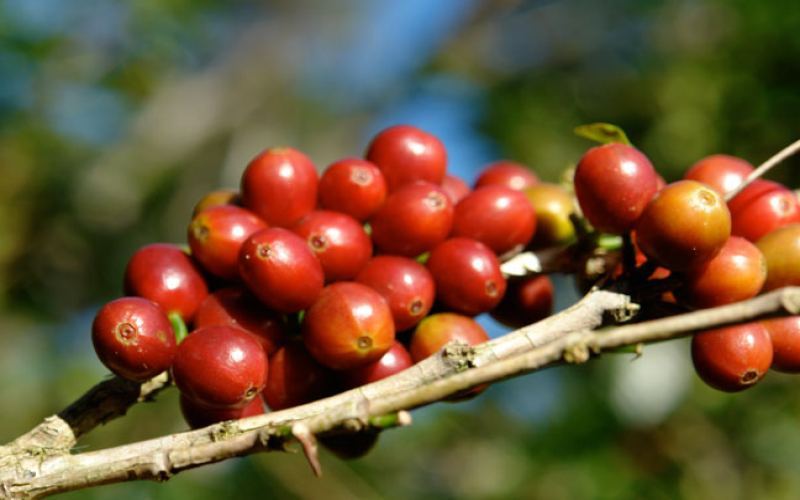
The two most common varieties in the coffee world—Arabica and Robusta—one occupies seventy percent of production with a specialty profile, the other supports the backbone of commercial coffee with its formidable adaptability. What exactly is the essential difference between them? Is Robusta really harmful to your health? And how should you drink it to be appropriate? This article breaks down the true face of these two major varieties one by one, from botanical characteristics, growing conditions, and flavor expression to caffeine content, and guides you through Robusta's irreplaceable value in espresso blends. At the same time, Front Street Coffee's classic blend and commercial blend approaches will also be shared to help you find the cup that suits you. [more…]
A Complete Guide to Yunnan Specialty Coffee Regions: Cultivated Varieties, Processing Methods, and the Flavor of Front Street's Own Sun-Dried Typica
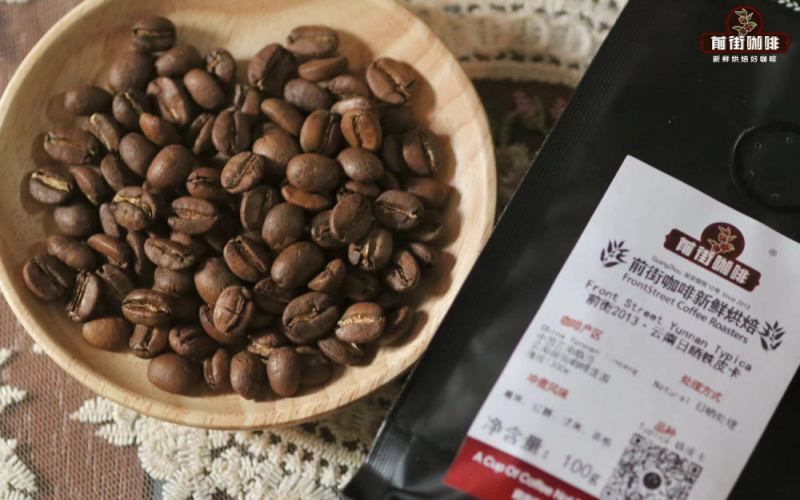
In recent years, Yunnan coffee has attracted much attention in the specialty coffee circle. How good is its quality really? This article systematically reviews the basic landscape of Yunnan coffee from the perspectives of growing regions, variety structure, and processing methods, and uses Front Street Coffee's sun-dried Typica from its own estate in Lincang as an example to present the true flavors that Yunnan coffee can display under traditional processing. The article also introduces the natural conditions of the two representative producing regions, Baoshan and Lincang, as well as the cultivation history, harvesting details, and brewing parameters of Front Street Coffee 2013 coffee beans, helping readers gain a comprehensive understanding of the current status and potential of domestically produced specialty coffee. [more…]
A Complete Analysis of Sumatra Coffee's Flavor and History: Indonesian Coffee Varieties, Wet-Hulling Processing Method, and an Introduction to Front Street Golden Mandheling
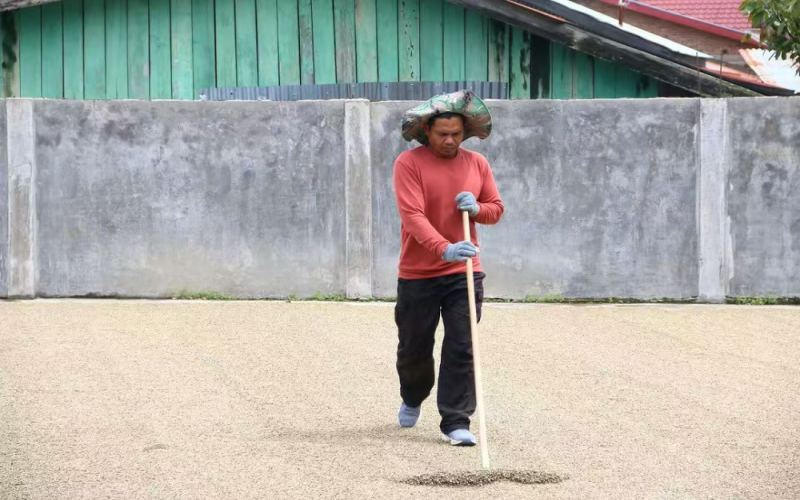
Indonesia is a globally significant coffee-producing country, known for its rich, full-bodied flavor with very low acidity, and a sweetness reminiscent of caramel and dark chocolate that particularly captivates Japanese coffee lovers. From the Dutch introduction of coffee in 1696, to the switch to Robusta after leaf rust destroyed Arabica, and now to the three major regions of Sumatra, Java, and Sulawesi each with their own distinctive character, Indonesian coffee has gone through a tumultuous history. This article will guide you through the development history of Indonesian coffee, its growing environment, main varieties, the unique wet-hulling process, and the flavor characteristics and brewing parameters of Sumatra Mandheling, Kopi Luwak, and Java coffee. Front Street Coffee will also share recommendations and brewing suggestions for products such as PWN Golden Mandheling. [more…]
An In-Depth Analysis of Jamaican Blue Mountain Coffee: Origin Terroir, the Reasons for Its Rarity, and Its Unique Flavor
Blue Mountain coffee originates from the Blue Mountains of eastern Jamaica, named for the brilliant blue glow reflected off the peaks on clear days, surrounded by the Caribbean Sea. Located in the coffee belt, this region has fertile volcanic soil and a climate of year-round mist and rain, producing the world-renowned Front Street Jamaican Blue Mountain coffee. Its acidity, sweetness, and bitterness are perfectly balanced, with a rich, mellow taste, almost no bitterness, and only a moderate, perfect acidity, making it suitable for drinking as a single-origin brew. Due to its extremely low yield and high price, it is commonly blended with coffees of similar flavor on the market. This article will provide a detailed introduction to Blue Mountain coffee's growing environment, harvesting and processing techniques, flavor characteristics, and premium grades such as peaberry, offering an in-depth look at this "coffee beauty" that combines all the virtues of a great coffee. [more…]